
Comprehensive Guide to Fertility Services and Egg Freezing: Everything You Need to Know
In this guide, we explore the full range of fertility services available, how egg freezing works, who it’s for, and what to expect throughout the process.
What Are Fertility Services?
Common Fertility Services Include:
- Fertility Testing & Diagnosis
Before starting treatment, most clinics recommend a thorough evaluation. This may include:
- Hormonal blood tests (AMH, FSH, LH, estrogen, progesterone)
- Ovarian reserve assessment
- Semen analysis
- Pelvic ultrasound
- HSG (Hysterosalpingogram) to assess fallopian tube health
- Ovulation Induction & Cycle Monitoring
For women who experience irregular or absent ovulation:
- Medications stimulate the ovaries
- Ultrasound monitoring ensures proper timing for conception or treatment
- Intrauterine Insemination (IUI)
A minimally invasive procedure where processed sperm is placed directly into the uterus to improve chances of fertilization.
- In Vitro Fertilization (IVF)
One of the most effective fertility treatments, IVF involves:
- Egg collection
- Fertilization in a lab
- Embryo development
- Embryo transfer to the uterus
IVF may also include advanced options like:
- ICSI (Intracytoplasmic Sperm Injection)
- Blastocyst culture
- PGT (Preimplantation Genetic Testing)
- Donor eggs or donor sperm
- Frozen embryo transfer (FET)
- Donor Programs
Some hopeful parents may use:
- Donor sperm
- Donor eggs
- Donor embryos
This is common in cases of severe infertility, genetic conditions, or same-sex couples.
- Surrogacy Services
Surrogacy is offered when carrying a pregnancy is medically unsafe or impossible. Clinics may help coordinate:
- Gestational surrogates
- Legal and medical processes
Egg Freezing: Preserving Your Fertility for the Future
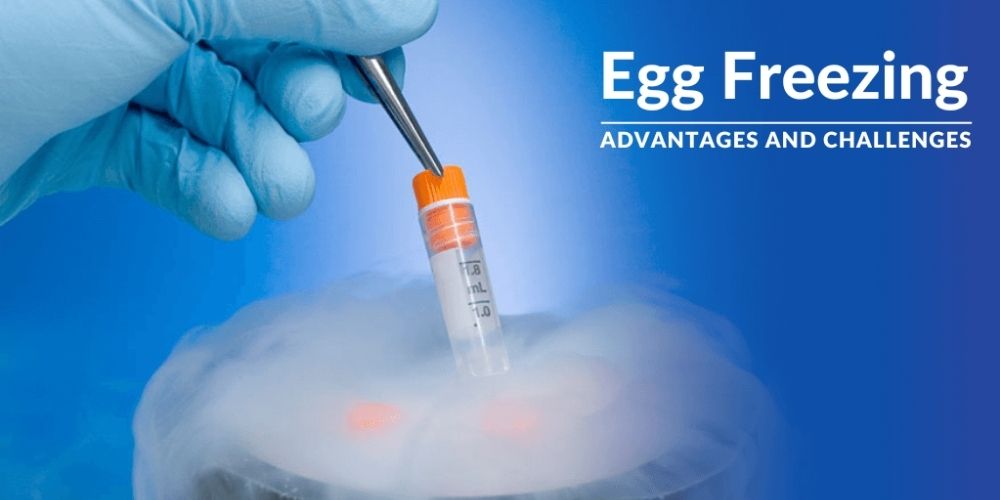
Egg freezing, also known as oocyte cryopreservation, has become a powerful option for women who want to preserve their ability to have biological children later in life.
Why Egg Freezing Is Growing in Popularity
- Women’s fertility naturally declines after age 30, and more sharply after 35
- Many delay parenthood due to career goals, education, personal reasons, or not having a suitable partner
- Medical conditions like endometriosis, PCOS, or cancer treatments may impact fertility
- Egg freezing offers choice, control, and peace of mind
